Family ties, keeping grandparents in the loop
SMBy Sister Maryam Hasan
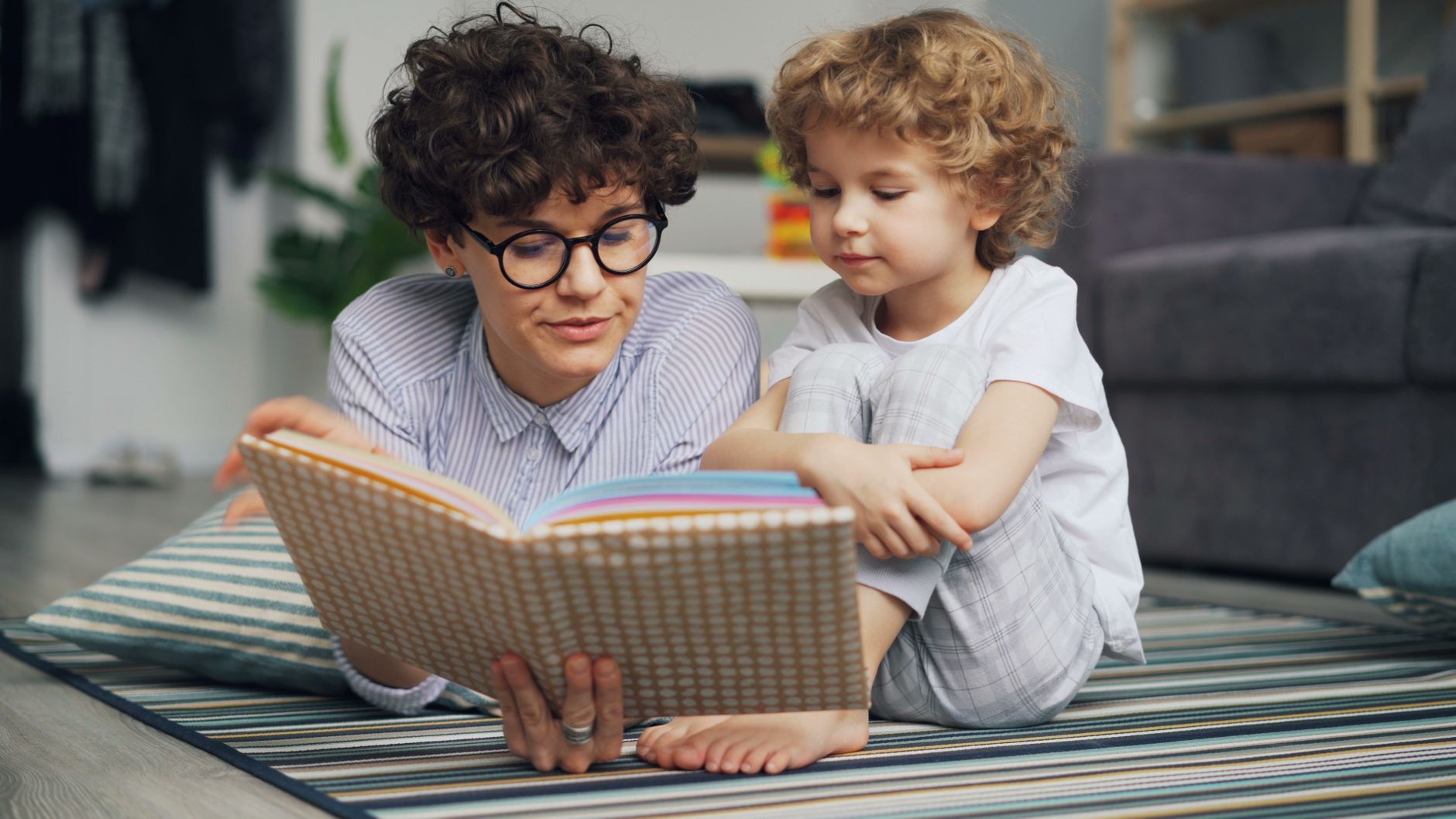
The parenting literature tends to focus on the parent-child relationship, as if the household were a two-generation system. Most of the households in our community are not two-generation. They are three-generation, and the grandparents are often the most influential adults in the household for the children under ten.
This is a reflection on the role of grandparents, the work they do, and the small habits that keep three generations connected.
What grandparents carry
Grandparents carry the du'a. They carry the names of the people we have lost. They carry the recipes, the family histories, the small Arabic phrases that the children of immigrants hear in the kitchen before they hear them in the classroom. They carry the long view: they have seen the children grow, and they have seen the children grow up, and they have seen those children have children of their own. They are not in a hurry.
The grandparent in a Muslim household is also, often, the most consistent practitioner of the deen. The Fajr they pray, the Qur'an they read, the Sadaqah they give, the way they greet the neighbor, the patience with which they answer a question for the fourth time: all of it is the deen, embodied, for the children in the household to watch.
What the grandparents tell me
The grandparents I have spoken to, in our seniors tea and in our family workshops, tell me the same three things. The first is that they want to be asked. The second is that they want to be useful. The third is that they do not want to be the household's unpaid childcare, no matter how much they love the kids. The three things are, in practice, the same thing. The grandparent who is asked, and who is useful, and who is not over-burdened, is the grandparent who stays in the loop.
The grandparents also tell me, in the same conversations, that the loop is harder to keep now than it was when they were raising kids. The phone is the obvious reason. The phone has pulled the middle generation's attention away from the kitchen table, and the kitchen table is where the grandparents tell the stories. The phone has not replaced the kitchen table; the phone has made the kitchen table quieter.
The fix, the grandparents say, is not the phone. The fix is the table. The families that keep the loop are the families that keep the table, and the table is a thing you can choose, in a way that the phone is harder to choose.
What we ask of them
We do not, as a foundation, ask much of our grandparents. We ask that they come to the seniors tea once a month (the events page has the schedule). We ask that they call one grandchild a week, on a regular day, at a regular time. We ask that they tell one story from their own childhood, at the dinner table, on a regular basis.
That is it. The rest, the parenting, the discipline, the daily habits, are the work of the parents in the household. The grandparents are a different kind of presence, and they should not be asked to be anything else.
A note on long-distance grandparents
Many of the families in our community live far from their own parents. The grandparents are a phone call away, not a kitchen-table away. The long-distance grandparent is the harder case, and the grandparents I have spoken to about it say the same thing: the regular call matters more than the long visit.
A regular call, on a regular day, at a regular time, is the long-distance version of the kitchen table. The grandchild knows it is coming. The grandparent knows it is coming. The conversation, even when it is short, is a practice. The practice is the loop.
The grandparents also say that the medium matters less than the regularity. A weekly phone call, with the same opening question, is more useful than a monthly video call, with a fancy backdrop. The kids do not need the video. The kids need the voice. The voice is the practice.
What the children learn
The children learn, from the grandparents, that time is not a thing to be optimized. They learn that the people who love them have been through things, and have come out the other side. They learn that the deen is not a curriculum; it is a household.
The children also learn, from the regular calls to the long-distance grandparents, that the people who love them are not always in the room. The call is a practice, and the practice is the loop, and the loop is the thing that holds the family together when the distance is long.
If you are a grandparent in our community, we see you. If you would like to be more involved, the get involved page has a few grandparent-friendly volunteer roles: the seniors tea setup, the family hike rest-stop hosting, the intergeneration Qur'an circle on Saturday mornings. None of them are heavy. All of them are needed. The foundation's team page has the family education lead, who coordinates the grandparent-friendly roles.
If you are a parent, in any household, and you have a grandparent in your life: call them this week. Ask them one question. Tell them one thing about the kids. The thread holds, even when the distance is long.
Keep reading
More from the mupla blog
-
 Reflection
Khutbah reflection, notes from last Friday's sermon
A short reflection on last Friday's khutbah at our community center, the theme of niyyah (intention), and how it lands in the work we do.
-
 Reflection
The Hijri new year, a quieter kind of reset
The Islamic new year is not a loud celebration. It is a day of remembrance, reflection, and a slow turn toward the year ahead. A short reflection.
-
 Reflection
Faith formation at home, five small habits
Five unhurried practices for raising faithful children without burning the parents out. A reflection from our parenting workshop series, with a note on the hidden variable.