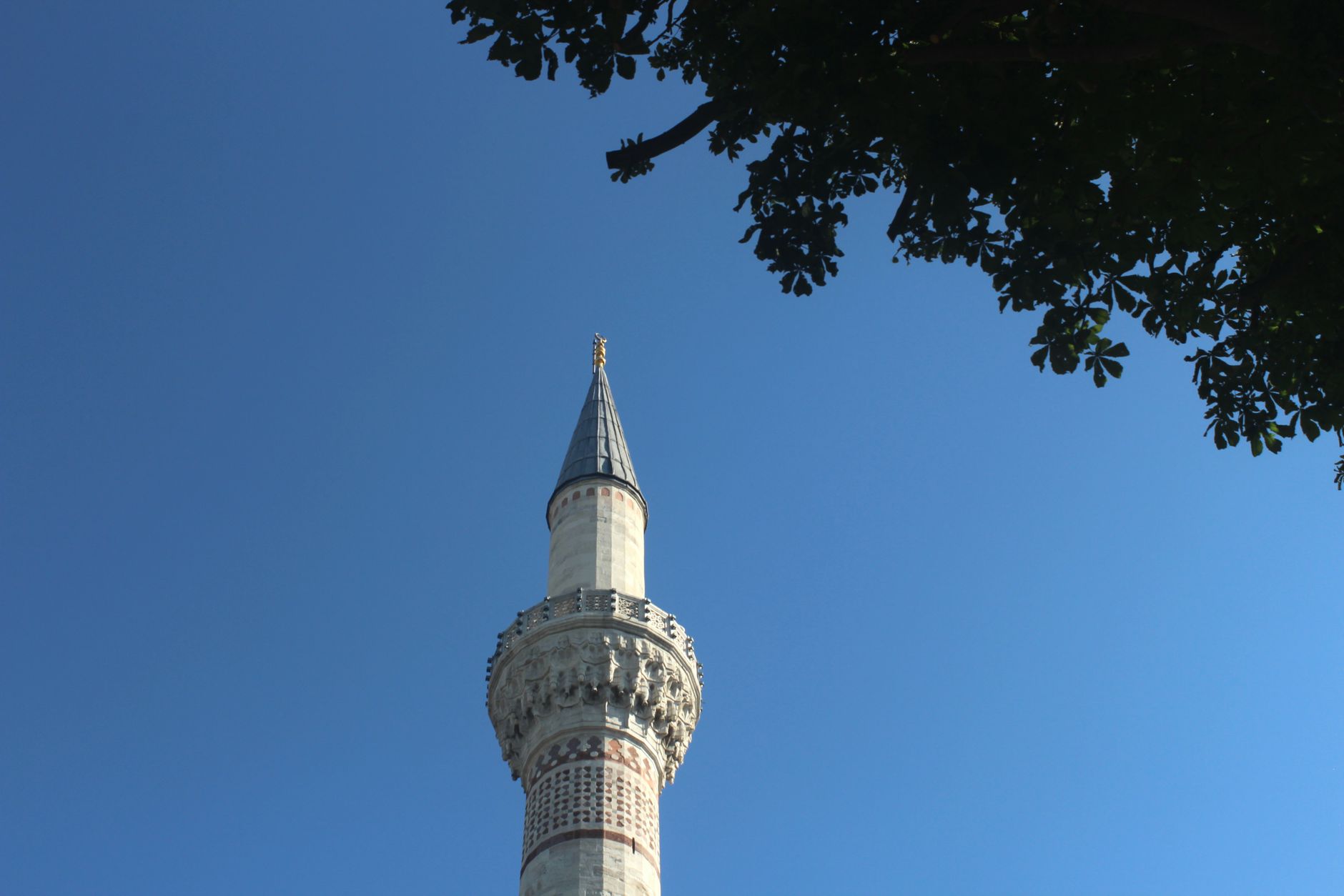
The Hijri new year, a quieter kind of reset
MCBy mupla community
The Hijri new year arrives without fireworks. There is no countdown, no televised ball, no champagne. The first of Muharram is, in our tradition, a day of remembrance. It marks the Hijra, the Prophet Muhammad's migration from Mecca to Medina in 622 CE, and the moment when the small Muslim community became a political and social one. It is, by any accounting, a turning point worth marking.
We mark it quietly.
How we mark it
At mupla, the first of Muharram is a workday. The pantry runs. The school programs run. The Zakat committee meets, if there is a case to review. We do not close for it. We do not throw a party. We do, however, gather for an hour in the evening, after Maghrib, and we read Surah Al-Imran, we reflect on the year that is closing, and we make a quiet intention for the year that is beginning.
That is the marking. It is not enough for some people, and it is too much for others. For our community, it is the right size.
What the Hijri calendar is for
The Hijri calendar is lunar. Its year is shorter than the solar year by about eleven days, which means the months move through the seasons. Ramadan, in Hijri, will eventually fall in summer. The Hajj will eventually fall in winter. The calendar is a reminder, built into the structure of the year, that time is not a thing we control, and that the rhythms of worship are not aligned with the rhythms of convenience.
The Hijri new year is, in the same way, a reminder that the new year does not have to be a fresh start in the way January 1 sometimes pretends to be. The new year is a turn of the wheel, and the wheel will keep turning, and the work of being a faithful person is the work of every month on the calendar, not just the first one.
A note on Muharram specifically
Muharram is the first month of the Hijri year, and it carries a particular weight. It is one of the four sacred months in the Islamic calendar, the others being Rajab, Dhul-Qi'dah, and Dhul-Hijjah. The hadith literature is clear that the reward for good deeds in the sacred months is multiplied, and the scholars have argued for centuries about the practical implications. Our practice, at the foundation, is small: we try to do one extra good deed in Muharram, and we keep track of what the good deed was. The deed can be a Sadaqah, a fast, a service project, or a quiet reconciliation. The point is to be intentional.
For many Sunni Muslims, the tenth of Muharram, called Ashura, is a day of fasting. The practice is traced to the Prophet Musa (Moses) and the Exodus from Egypt, and the scholars have noted that the Prophet Muhammad, peace be upon him, fasted on this day in Medina and encouraged the Companions to do the same. We do not require the fast at the foundation. We make the day visible on our events page and we leave the choice to the household.
For Shia Muslims, the tenth of Muharram is a day of mourning, marking the martyrdom of Imam Hussein at Karbala. The practice of mourning is older than any of our community's programming, and we honor it by being quiet on that day, by closing the foundation for the afternoon, and by making space for the families in our community who observe. The foundation's calendar is built to hold both observances without forcing either.
What we tell the kids about the new year
The kids in our programs ask, in the first week of Muharram, what the new year means. We tell them three things. The first is that the new year is a turn of the wheel, not a reset, and that the work of being a good person is the work of every month. The second is that the calendar we use is the calendar our tradition gave us, and that the calendar is a teacher. The third is that the new year is a good time to make a small intention, and that the small intention is more useful than the big resolution.
The small intention, for our kids, is often something like "I will say Bismillah before I eat, for a month," or "I will read one page of Qur'an a day, for a month." The intention is small because the practice is the point, and a small practice is more likely to survive the year. We do not grade the intention. We do not check in on it. We let the kids own it, and we trust the kids to be the kind of people who keep their small intentions.
An intention for the year
If you would like to make a quiet intention this year, the foundation could suggest three:
- Read one Juz' of the Qur'an a week, in any translation, in any setting, until you have read the whole thing.
- Give Sadaqah once a month, however small, to a person, not an institution. The donate page has a designated Zakat line, and any recurring gift is routed there.
- Show up to one community gathering a month. The events page lists every one of ours.
The new year is a small door. Walk through it slowly. The year ahead will be what we make it, with the help of God, one month at a time. For more on the foundation's programs and how to get involved, the relevant pages are linked throughout.
Keep reading
More from the mupla blog
-
 Reflection
Family ties, keeping grandparents in the loop
A reflection on the role of grandparents in passing the deen down, and the small habits that keep three generations connected at the dinner table.
-
 Reflection
Khutbah reflection, notes from last Friday's sermon
A short reflection on last Friday's khutbah at our community center, the theme of niyyah (intention), and how it lands in the work we do.
-
 Reflection
Faith formation at home, five small habits
Five unhurried practices for raising faithful children without burning the parents out. A reflection from our parenting workshop series, with a note on the hidden variable.