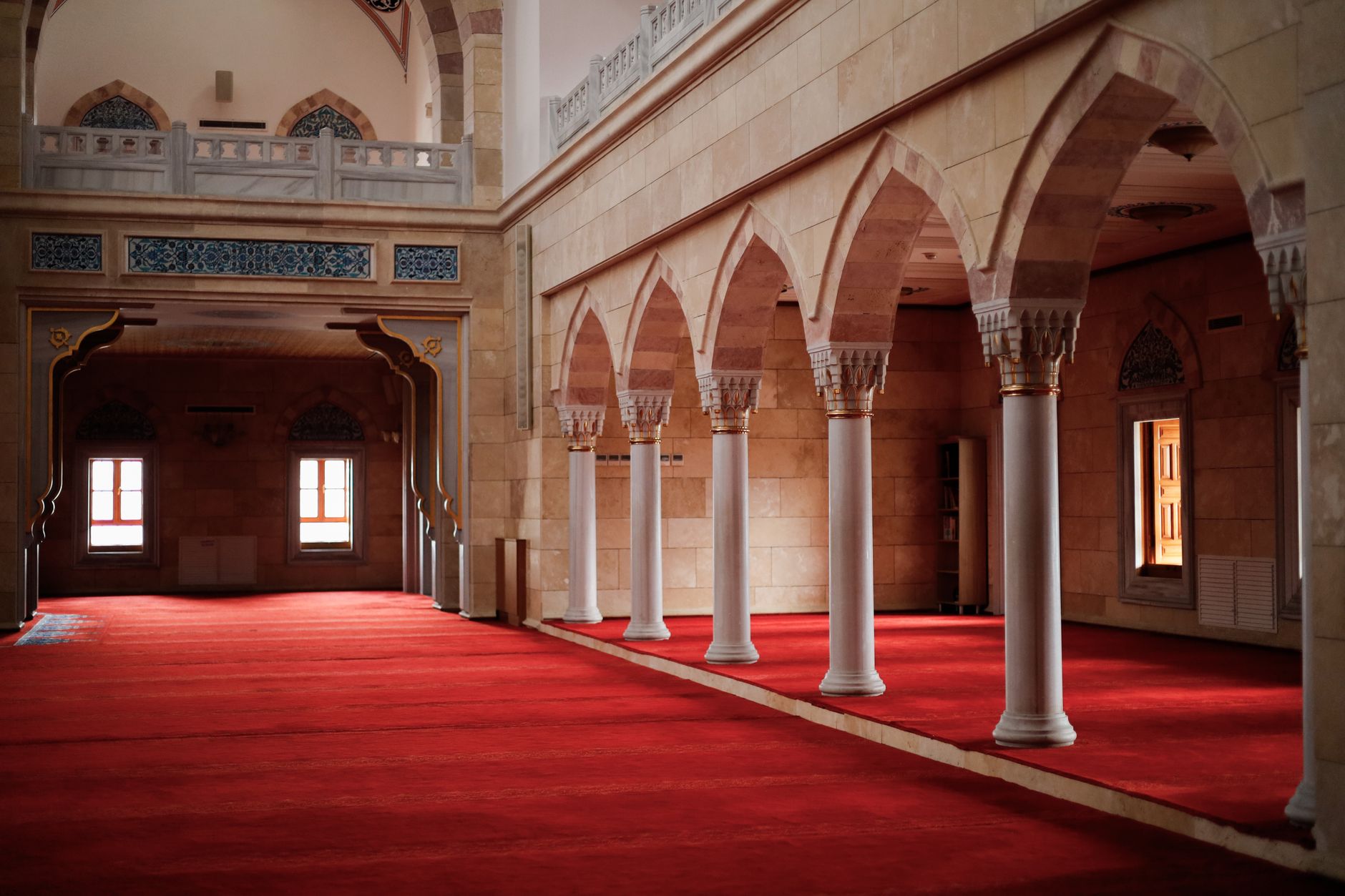
Khutbah reflection, notes from last Friday's sermon
IBBy Imam Bilal Rashed
Last Friday's khutbah at our community center was on the topic of niyyah, intention, and it kept returning to a hadith I had not thought about in years: the one in which the Prophet Muhammad, peace be upon him, said that actions are judged by intentions, and that every person will have what they intended.
The line is famous. The khateeb used it to make a smaller, sharper point: the intention is not a thing you set once, at the start of a project, and then forget about. The intention is a thing you re-set, every morning, and every time the work gets hard.
What the khateeb said about small intentions
The khateeb's main move was to take the familiar hadith and apply it to the small things. Most of the khutbahs I have heard on this hadith focus on the big intentions: the intention behind the Hajj, the intention behind the Zakat, the intention behind the decision to leave a job or take a new one. This khateeb focused on the morning's first cup of coffee, the drive to work, the patience with the colleague who is hard to be patient with. He said the hadith applies as much to the coffee as to the Hajj, and that the scholars have always known this, and that we have somehow forgotten.
The point, he said, is that the small intentions are the ones that shape the day. The big intentions are easy to set; we set them at the start of the year, or the start of Ramadan, or the start of a new job, and we forget them by February. The small intentions, the ones we re-set every morning, are the ones that actually run the household. If the morning's first intention is patience, the day has a different shape than if the morning's first intention is irritation.
What the work at the foundation looks like with that lens
The work at mupla is full of moments when the intention has to be re-set. A volunteer arrives at 8 a.m. for the pantry, having set their intention the night before to be patient, to be kind, to be present. By 10 a.m., the line is long, the dairy cooler is empty, and the patience has worn thin. The intention has to be re-set, in the moment, before the next family walks through the door.
The khateeb called this the difference between worship and routine. Routine is what happens when the intention fades and the work continues anyway. Worship is what happens when the intention is re-set, every time it fades, and the work is treated, every time, as if it were the first time.
The frame works for the foundation's other work too. The Zakat committee meets once a month, and the intentions we bring to the meeting have to be re-set at the start of each case. The refugee support lead meets a new family, and the intentions she brings to the first meeting have to be re-set by the third meeting, when the family has stopped being "the new family" and started being the family. The mentors in the youth program have to re-set their intentions every Tuesday and Thursday at 3:15, when the kid gets in the car.
A note on the limits of a khutbah
A khutbah is a sermon. It is, by tradition, short. The khateeb has fifteen to twenty minutes, and he is speaking to a room that includes toddlers, teenagers, people who have just gotten off a long shift, and people who are visiting for the first time. The khutbah cannot do the work of a workshop. It can plant a question. The answer, if there is one, comes later, in the work.
This khutbah planted the question for me, and the answer came in the work, and the work was, in my case, the writing of this reflection. Your answer will come in a different work. The question is the gift.
What I am taking from it
I am taking the smaller habit. When I notice the patience wearing thin, when I notice the work becoming a thing I do on autopilot, I am going to stop, take a breath, and re-set the intention. I am not going to be able to do it every time. I am going to be able to do it more often than I do it now, which is the only bar that matters.
I am also going to remember that the people on the other side of the work, the pantry neighbor, the refugee family, the kid in the mentor program, are not the recipients of my intention. They are the reason I have the chance to set one at all.
If you would like to read past khutbah reflections, the blog index has them all. To attend a Friday khutbah at our center, the events page lists every Friday gathering. The khateeb this week was Imam Bilal Rashed, who also runs the Zakat committee and the family education track.
Keep reading
More from the mupla blog
-
 Reflection
Family ties, keeping grandparents in the loop
A reflection on the role of grandparents in passing the deen down, and the small habits that keep three generations connected at the dinner table.
-
 Reflection
The Hijri new year, a quieter kind of reset
The Islamic new year is not a loud celebration. It is a day of remembrance, reflection, and a slow turn toward the year ahead. A short reflection.
-
 Reflection
Faith formation at home, five small habits
Five unhurried practices for raising faithful children without burning the parents out. A reflection from our parenting workshop series, with a note on the hidden variable.