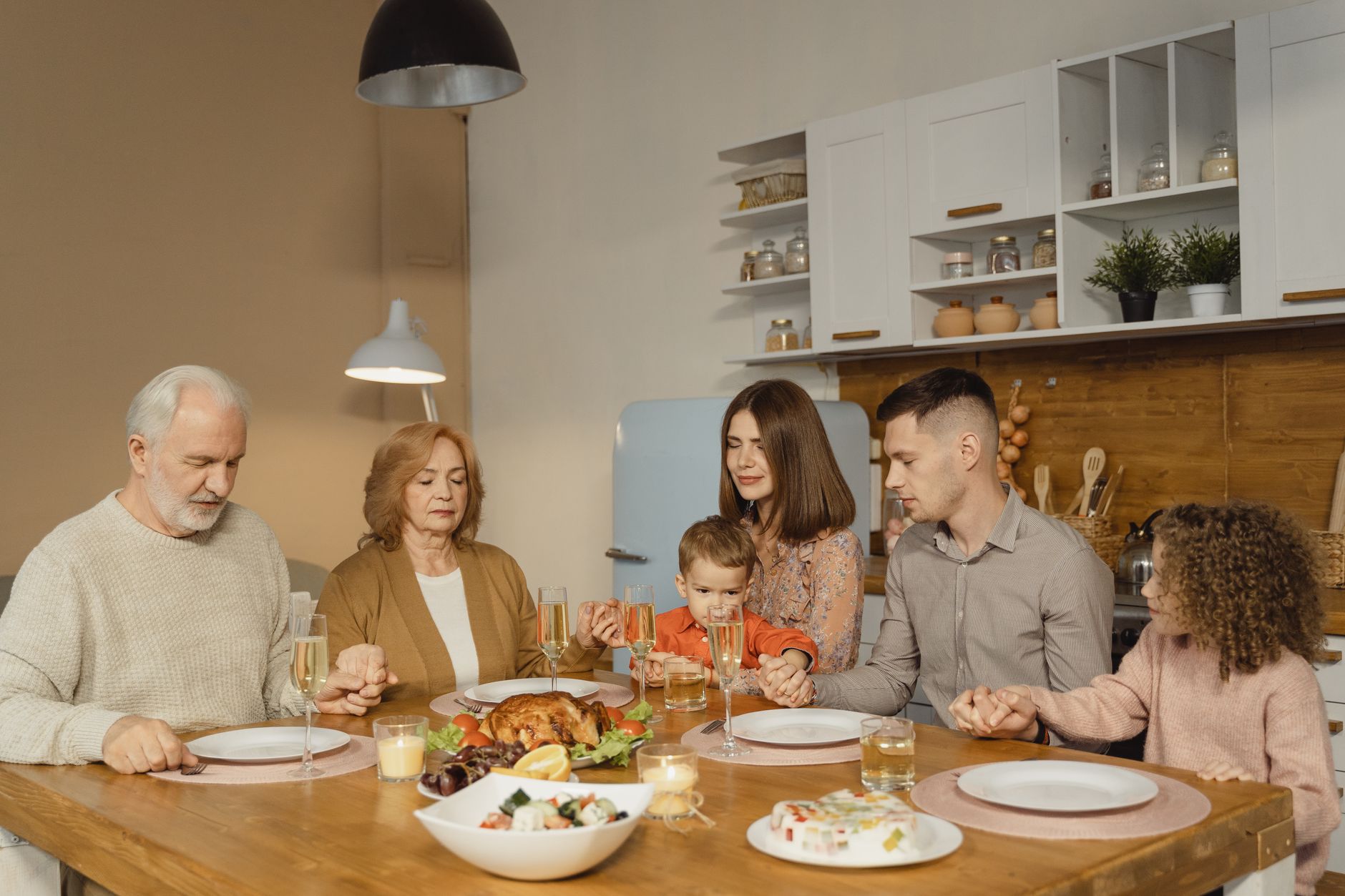
Around the dining table, a Ramadan reflection
SMBy Sister Maryam Hasan
There is a moment, in the last ten minutes before Maghrib during Ramadan, when the dining table in our house goes quiet. The kids are at the table, the dates are open, the water is poured. We are waiting for the adhan. We are also, somehow, waiting for the year to begin again.
It is a small moment, repeated every evening for thirty days, and it is, in our house, the spiritual center of the year.
What the table is for
The Prophet Muhammad, peace be upon him, said that the dining table is one of the places where Allah's mercy descends. The hadith is about more than food. It is about the gathering itself, the act of breaking bread with others, the willingness to be present with whoever is sitting down.
In our tradition, eating alone is permitted; eating together is rewarded. The table is a place where the body's need for food is met and the soul's need for company is met, and the two needs are not in competition.
What it looks like in a community
At mupla, the table gets bigger during Ramadan. The Friday community iftar at our center seats roughly 80 people each week, and the conversation across the tables is the same conversation that the hadith is about. A few old friends. A few first-time visitors. A grandmother and a teenager. The meal is halal, the conversation is open, the room is warm.
We do not turn anyone away. We do not charge. We do not pretend the dinner is a lecture. It is dinner, with reflection afterward for those who want to stay, but the dinner is the thing.
The etiquette of breaking fast together
There is an etiquette to a community iftar, and most of it is unwritten. The Prophet, peace be upon him, taught that the faster should not rush the food; he should wait, drink his water, eat his dates, and let the others arrive at the table. He taught that the host should not stand over the guests, but should sit with them, and that the meal should begin with Bismillah and end with Alhamdulillah. He taught that the table should be open to anyone who came.
We try to follow this. At the Friday iftar, the food is set out family-style, on long tables, and people sit wherever there is room. The kitchen team starts cooking at three in the afternoon, and the meal is on the table by sunset. A short reflection follows, ten to fifteen minutes, by a community member or a guest, and then the room empties slowly, in conversation, the way the best gatherings empty.
We have, over the years, had to retire a few things. We used to ask people to register, and we retired it. We used to assign seats, and we retired it. We used to take photos for the newsletter, and we retired that too, because the people at the table are not a case study. The table is the table.
What we tell newcomers
We tell newcomers three things. The first is to come as they are. The dress code is "modest, whatever modest means to you." The kids are welcome. The non-Muslim friends are welcome. The person who has not fasted is welcome, and there is plenty of food for them too. The second is to bring a friend if they have one, especially a friend who has been on the edge of the community, who has not been inside a mosque in years, who is not sure if they are still Muslim. The table is for them. The third is to come early. The doors open at 6:00, Maghrib is at 6:18, and the food is on the table by 6:25. Coming early lets the newcomers get a seat, get a glass of water, and get into the conversation before the room fills.
What I have learned
I have learned that the table is not a metaphor. I have learned that the discipline of sitting down with the same people, evening after evening, breaks down walls I would not have known to knock on. I have learned that the kids learn the du'a more easily when they are hungry, and that the guests learn the names of the other guests faster than the regulars do.
I have also learned that the table is a place where the kids pick up the tradition without anyone trying to teach it. My youngest, who is six, has started setting the table without being asked. She lays out the plates, the glasses, the napkins. She puts the dates in a small bowl. She does not know that this is the hadith in action. She is just doing what the table looks like. That is the work, and the work is the point.
If you would like to join us at a Friday iftar this Ramadan, the schedule is on the events page. If you would like to help cook or set up, see our get involved page. If you want to know what other community meals we run during the year, the programs page lists the family dinners, the senior's tea, and the monthly volunteer appreciation dinner. The table is set every week. There is always room for one more.
Keep reading
More from the mupla blog
-
 Reflection
Family ties, keeping grandparents in the loop
A reflection on the role of grandparents in passing the deen down, and the small habits that keep three generations connected at the dinner table.
-
 Community
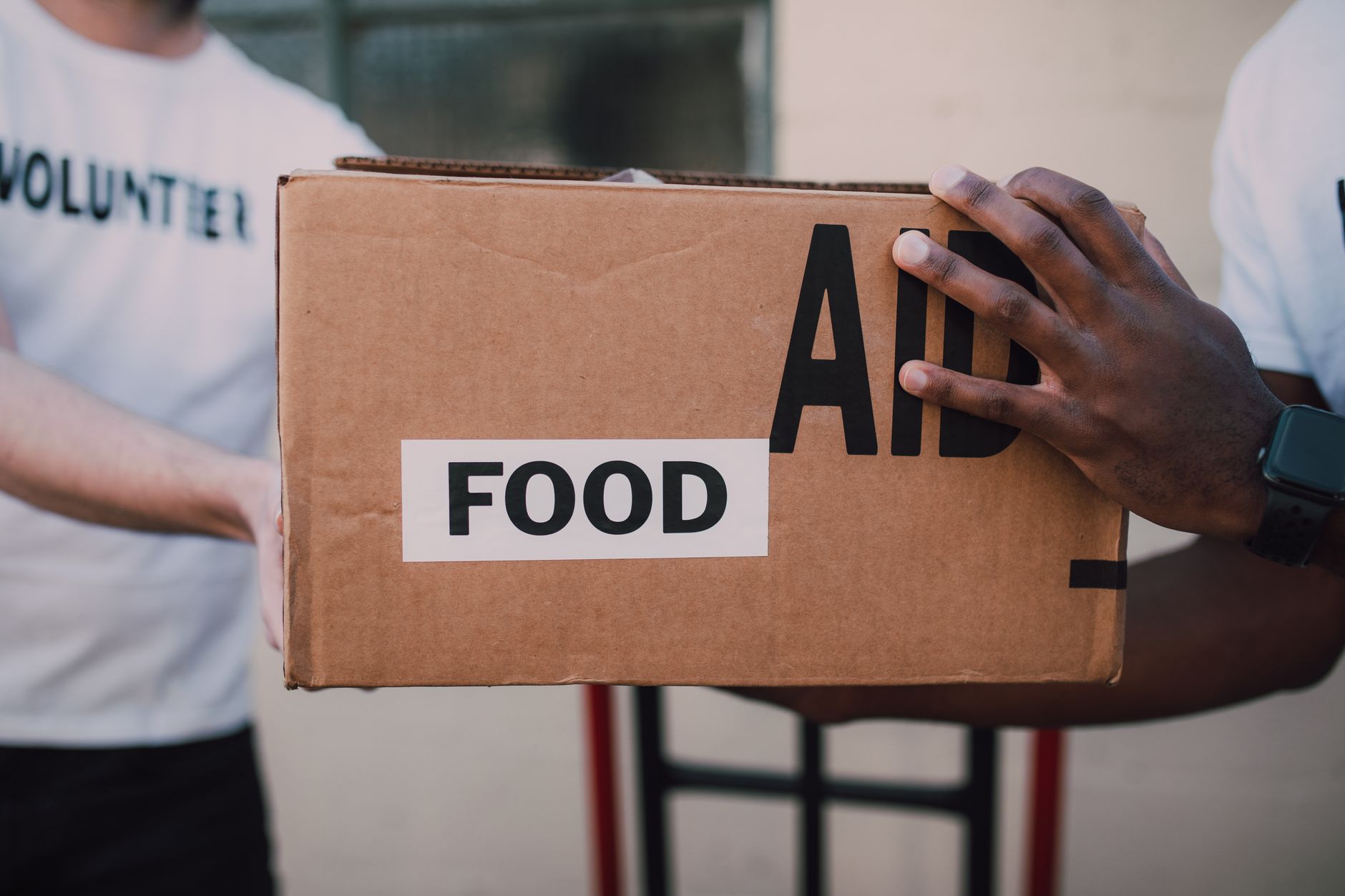
From the recipient side, a pantry neighbor's story
A first-person reflection from a mother of three on what the Saturday pantry has meant to her family for eighteen months, and a reminder of why we keep showing up.
-
 Programs
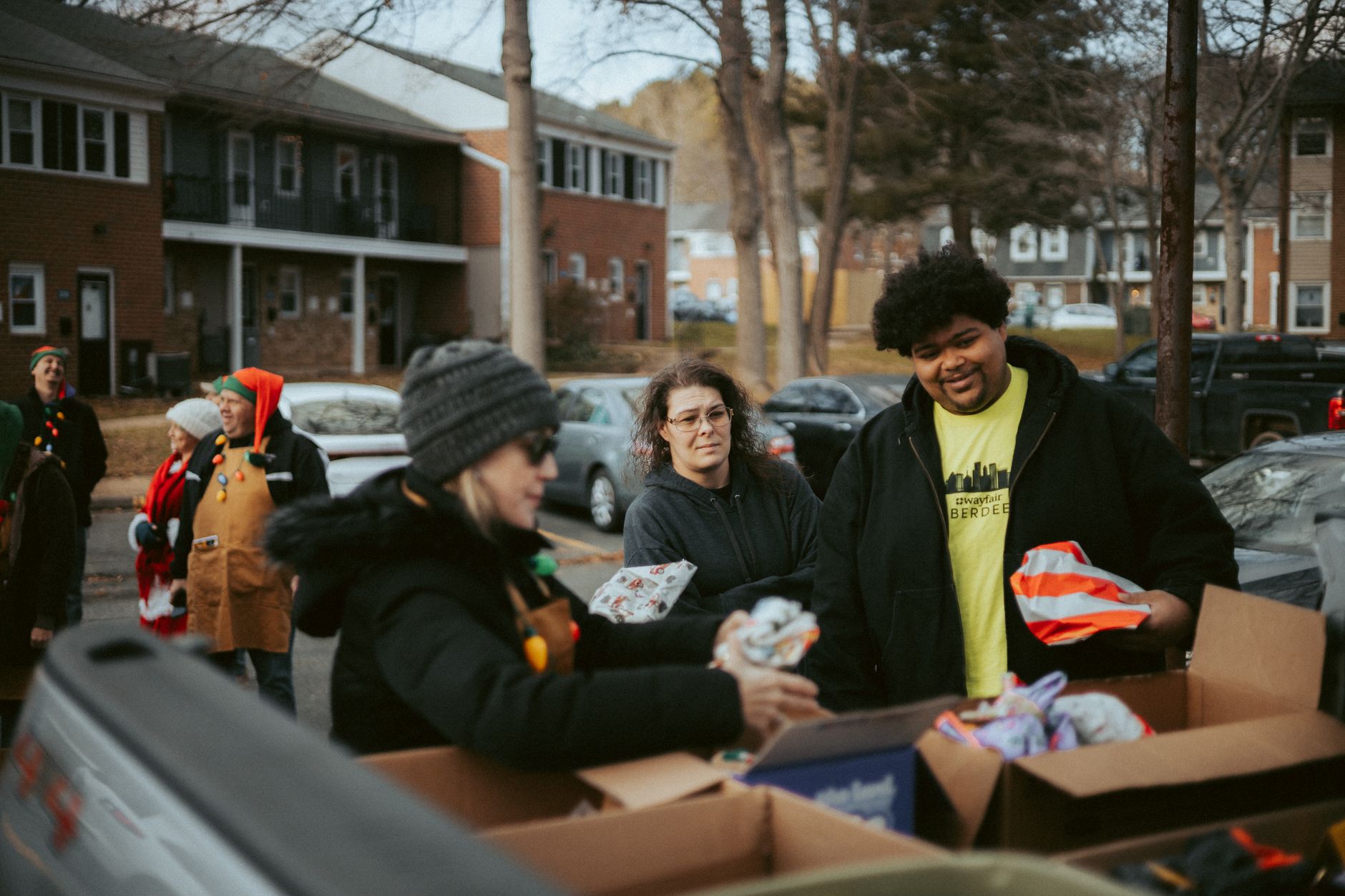
Holiday pantry, feeding families at Thanksgiving and beyond
How our Saturday pantry adapts in November and December, the holiday boxes, the toy drive, and the year-round dignity of consistent service. Plus what we don't do.