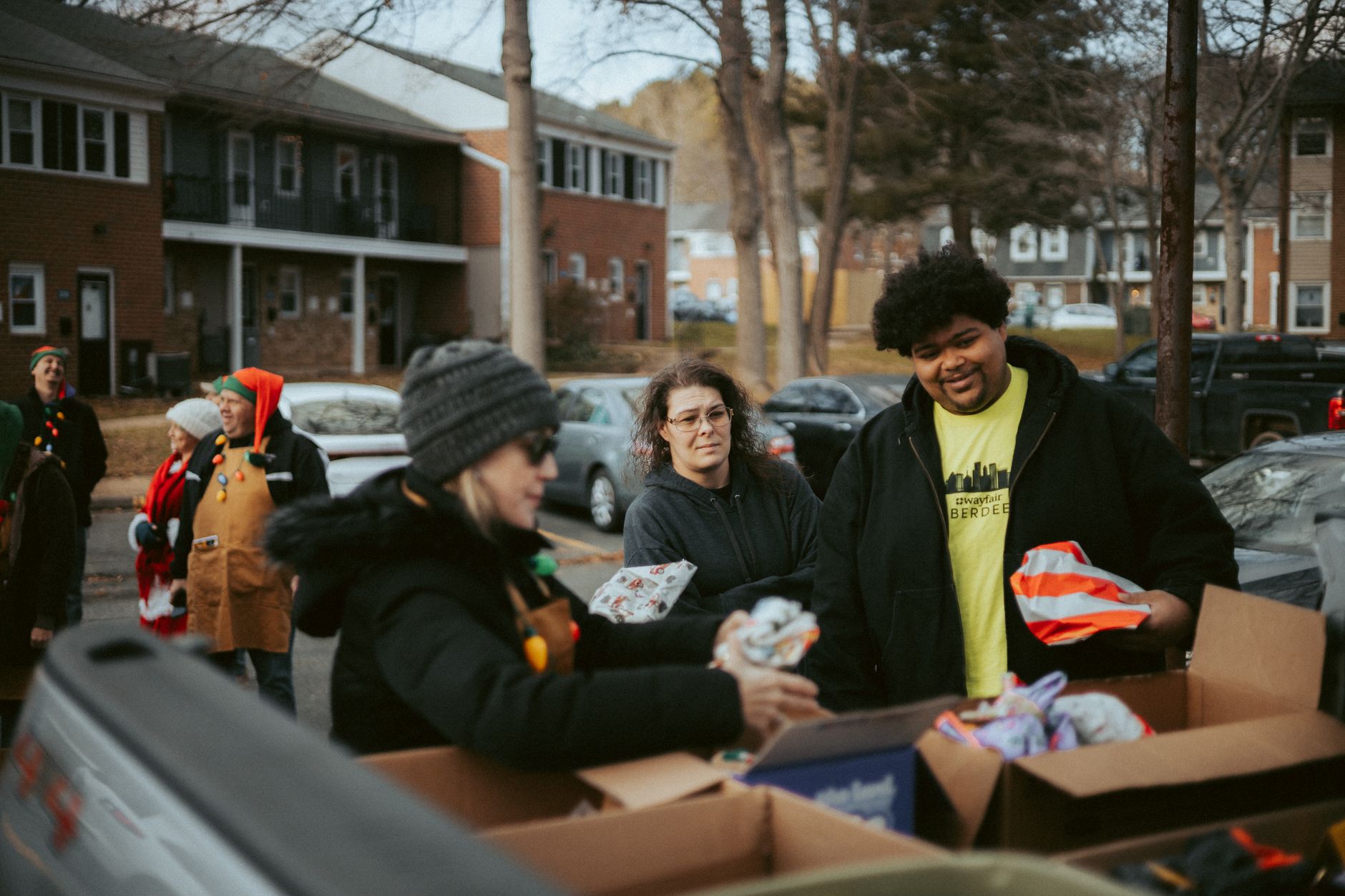
Holiday pantry, feeding families at Thanksgiving and beyond
TMBy Tariq M.
The Saturday food pantry runs every week, all year, including the weeks around Thanksgiving, Christmas, and the New Year. The families who depend on it do not stop needing groceries just because the calendar has a holiday on it. We have learned, over four holiday seasons now, what it takes to keep the pantry open, and what it takes to do a little more in November and December without losing the consistency that makes the rest of the year work.
What we add
A holiday box, once a month, November through January. The Saturday box in those months includes the usual groceries, plus a holiday-specific add-on: a turkey or halal protein alternative in November, a baking kit in December, a hot-cereal and dried-fruit kit in January. The add-on is on top of the regular box, not instead of it. Consistency is the point; the add-on is a small acknowledgment that the season is different.
A toy drive, the first three Saturdays of December. New, unwrapped toys, collected at the door and distributed, anonymously, to families with kids twelve and under. Last year we collected 412 toys and ran out by the second Saturday. This year we are starting earlier, and we have set a target of 600.
A winter-coat rack. Coats, hats, gloves, scarves, hung on a rolling rack at the door, available to anyone who walks in. We do not ask for ID. We do not keep a list. The coat is yours if you need it.
The numbers behind the holiday push
The holiday push is the busiest four months of the pantry's year. In November and December last year, the average Saturday saw 78 boxes go out, up from 54 the rest of the year. The toy drive distributed 412 toys to 198 families. The coat rack gave away roughly 220 coats, plus hats, gloves, and scarves. The volunteer bench grew from the year-round 30 active volunteers to a holiday bench of 65, with the extra 35 mostly once-a-month helpers who came specifically for the season.
The cost of the holiday push, in groceries and supplies, was about $14,200 last year. About 60 percent of that came from a designated donation line that we open in October. The rest came from the year-round budget. We publish the line items in the next annual report.
What we don't do
We do not run a special "holiday meal" event. We tried, two years ago, to host a sit-down Thanksgiving dinner for the families we serve. It was a lot of work, it was attended by about a third of the families, and it created a quiet two-tier system between the families who could come and the families who could not. We retired the event. The holiday box is the more dignified option.
We do not shorten the pantry week. The Saturday before Thanksgiving, the Saturday between Christmas and New Year, the Saturday of New Year's weekend: the pantry runs, with a full crew. We plan the holiday volunteer schedule in October, and we ask returning volunteers to commit to one of those Saturdays before they take a regular one.
We do not collect names. The holiday box is added to the regular box, anonymously. We do not take a list of who got a turkey and who did not. We do not photograph the toy distribution. The families who come through the door are neighbors, not a case study.
A note on the volunteers who staff the holiday weeks
The holiday weeks are staffed, in large part, by a small group of returning volunteers who have been with the pantry for years. They are the ones who show up at 7:30 a.m. on the Saturday before Thanksgiving, having set their alarm an hour earlier than usual, and they are the ones who stay until 1 p.m. to clean up. They are the dairy cooler volunteer, in a different form. They are the small commitments that hold the system together.
We have learned, over the years, to protect the holiday volunteers from overwork. We cap their holiday shifts at one per weekend, we pair every new holiday volunteer with a returning one, and we make sure the post-shift cleanup is shared. The holiday weeks are not a sprint. They are the same work as the rest of the year, with a few extra boxes on the table.
The bigger point
The bigger point, the one we keep learning, is that consistency is the most generous thing we can offer. A family that can count on a grocery box on a random Saturday in February is, by the time Thanksgiving rolls around, less anxious about the holiday, because they already know the foundation is going to be there. The holiday add-ons are a way of saying thank you. The Saturday pantry, fifty-two weeks a year, is the work.
If you want to support the holiday add-ons financially, the donate page has a designated pantry fund. To volunteer in November or December, the get involved page has sign-ups. To see who runs the holiday push on the team, the team page has the program lead and the four shift captains.
Keep reading
More from the mupla blog
-
 Programs
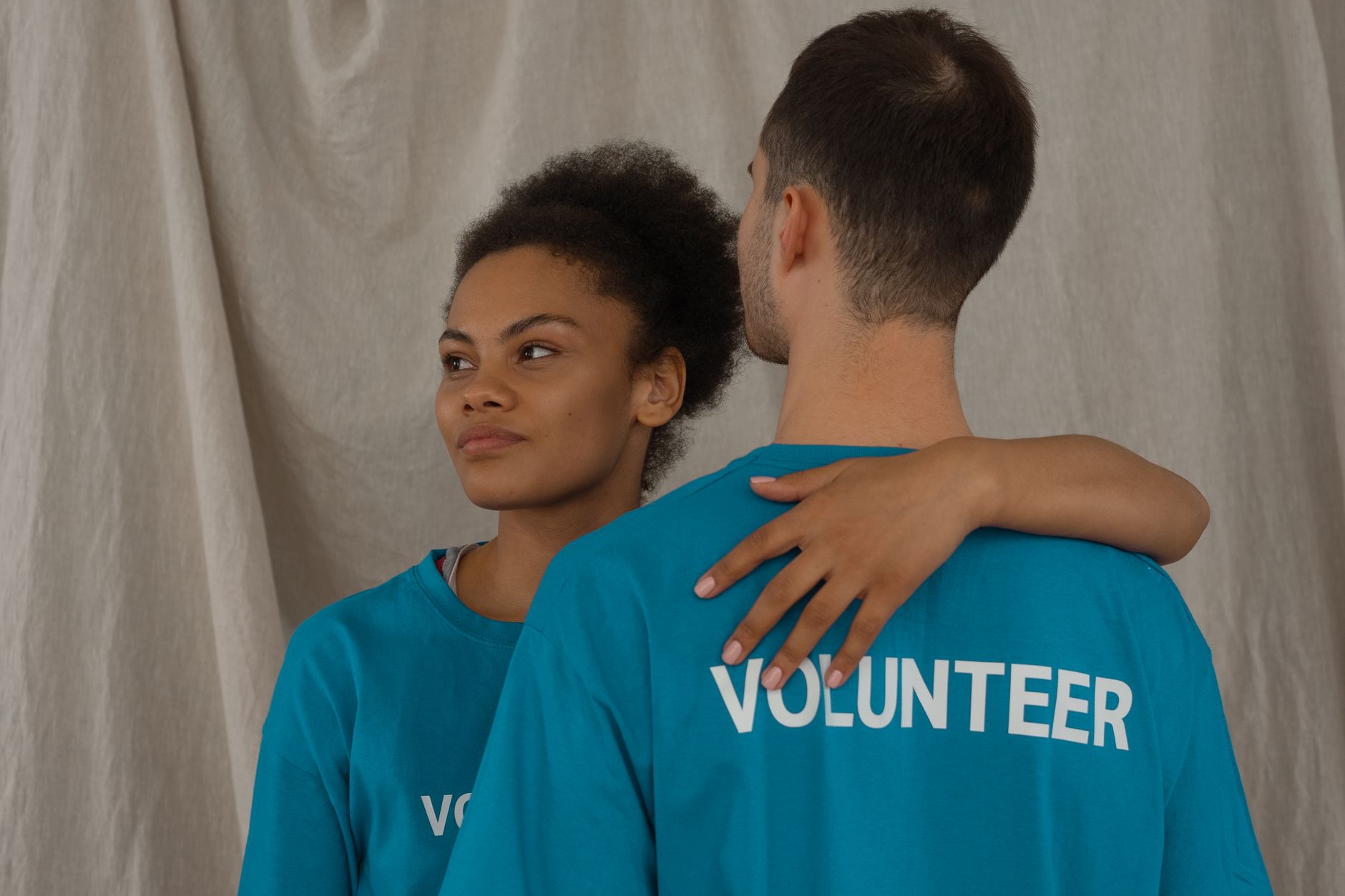
Volunteer culture, how we onboard without burning anyone out
The onboarding, training, and pacing practices that have kept our weekly volunteer bench full for two years, and the ones we have retired.
-
 Programs
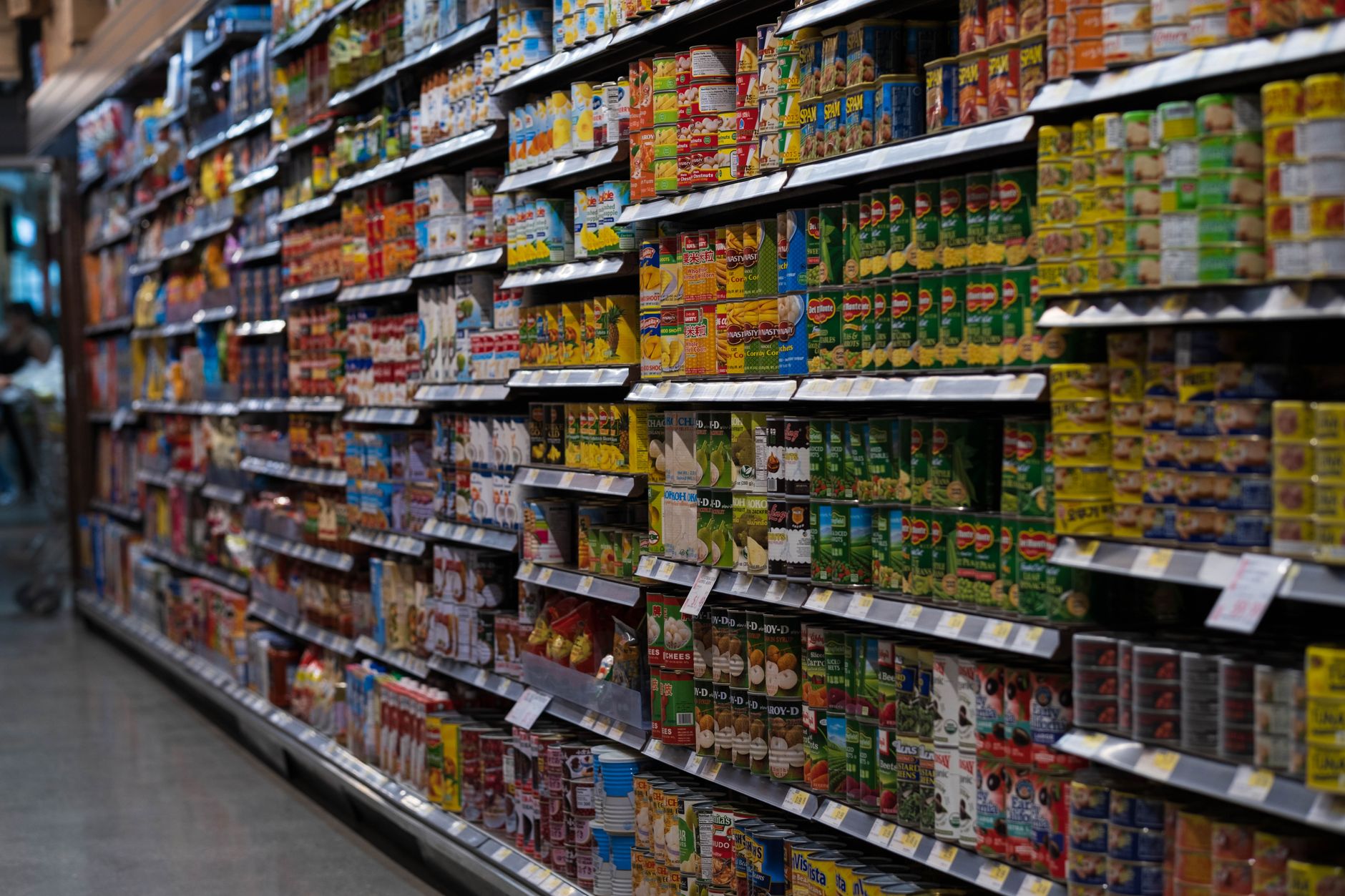
Lessons from a year of food pantries
Twelve months of weekly Saturday packing sessions, what worked, what failed, and what we are changing in the year ahead. With the numbers behind each lesson.
-
 Programs
Refugee resettlement, a Q&A with our social worker
A practical Q&A on refugee resettlement at mupla: the first 90 days, what helps, what does not, and how to volunteer without overwhelming. With our social worker, Nadia Saleh.