
Volunteer culture, how we onboard without burning anyone out
NSBy Nadia Saleh
Volunteer programs at most nonprofits turn over at 40 to 60 percent per year. Ours turns over at about 18 percent. That is not because we are special. It is because we made a small number of choices about onboarding, scheduling, and pacing, and we have stuck to them.
Here is the playbook, for what it is worth.
Onboarding
A two-hour orientation, not a half-day training. New volunteers come in for two hours on a weekday evening, get a tour, meet the staff, fill out the form, and leave. We do not try to teach them the work in orientation. The work is taught in the first three shifts, alongside a returning volunteer.
One role at a time. We do not ask new volunteers to do three things. We ask them to do one thing, well, for at least four weeks. After that, we talk about whether they want to add a second role. Most do, eventually. None of them have to.
A named point of contact. Every new volunteer gets a single staff person or shift lead who knows their name. The volunteer does not have to remember who to ask. The volunteer knows.
Pacing
A minimum commitment of one shift per month. Not per week. Per month. A volunteer who comes once a month is, by our accounting, an active volunteer, and we treat them as such. They are on the email list. They get the volunteer dinner invitation. They are part of the community, even if their lives only allow them one Saturday a season.
A cap on shift length. No shift is longer than three hours. The cost of asking for four is that the volunteer starts to dread it. The cost of three is that the shift is short enough to feel like a break from the rest of the week.
A hard line on weekday evenings. We do not schedule work for after 7 p.m. on a weekday. People with day jobs and kids cannot reliably show up at that hour, and we should not be asking them to.
What we tell new volunteers on day one
Three things, in this order. The first is the schedule. The volunteer is told, in writing, the date and time of their first shift, the name of the shift lead, and the address. The second is the dress code. The dress code is "comfortable, closed-toe shoes, nothing you would mind getting flour on." The third is the rule. The rule is: ask before you improvise. The new volunteer is welcome to suggest a better way to do the work, but the suggestion is for after the first three shifts, not during.
The rule sounds restrictive. It is not. It is the rule that keeps the volunteers who are good at the work from being told, on their second day, that the work is wrong. The new volunteer has not seen the work yet. The new volunteer will see the work in the first three shifts. The suggestion comes after.
The role of the volunteer coordinator
We have one paid staff member whose job is the volunteer bench. The coordinator does not run programs. The coordinator runs the volunteers who run the programs. The coordinator is on the Saturday morning shift, every Saturday, not to pack boxes, but to be the person the new volunteer asks when they do not know where to find the box cutter.
The coordinator also runs the volunteer dinner, the volunteer appreciation, the volunteer-of-the-year read at the annual meeting, and the quarterly reflection hour. The coordinator is, in practice, the institutional memory of the volunteer bench. When a long-time volunteer moves away, the coordinator is the one who notices, who writes the thank-you note, and who backfills the slot.
The role is small. The role is the reason the bench holds.
What we retired
The annual volunteer survey. It was long, it had a 22 percent response rate, and the answers were not actionable. We replaced it with a one-question text-message poll, every other month, and a 90 percent response rate.
The "volunteer of the month" award. It was well-intentioned, and it created quiet resentment. We retired it and replaced it with a standing thank-you at the volunteer appreciation dinner, no individual awards.
The 10-hour minimum. We used to ask for a ten-hour-per-month commitment. We dropped it. Some of our best volunteers come for two hours a month, and we are lucky to have them.
How to start
If you are new to the foundation, the get involved page has the current openings, by program and by time commitment. The opening that says "one Saturday a month, two hours, packing boxes" is the most common starting point. The opening that says "weekly Tuesday tutoring, two hours" is the one that asks for the most, and the one that matters most. Pick the one that fits your week, and the rest will follow.
For more on how the volunteer bench fits with the rest of the foundation's programs, the programs page has the program-by-program breakdown. The team page has the volunteer coordinator and the team leads for each program.
Keep reading
More from the mupla blog
-
 Programs
Holiday pantry, feeding families at Thanksgiving and beyond
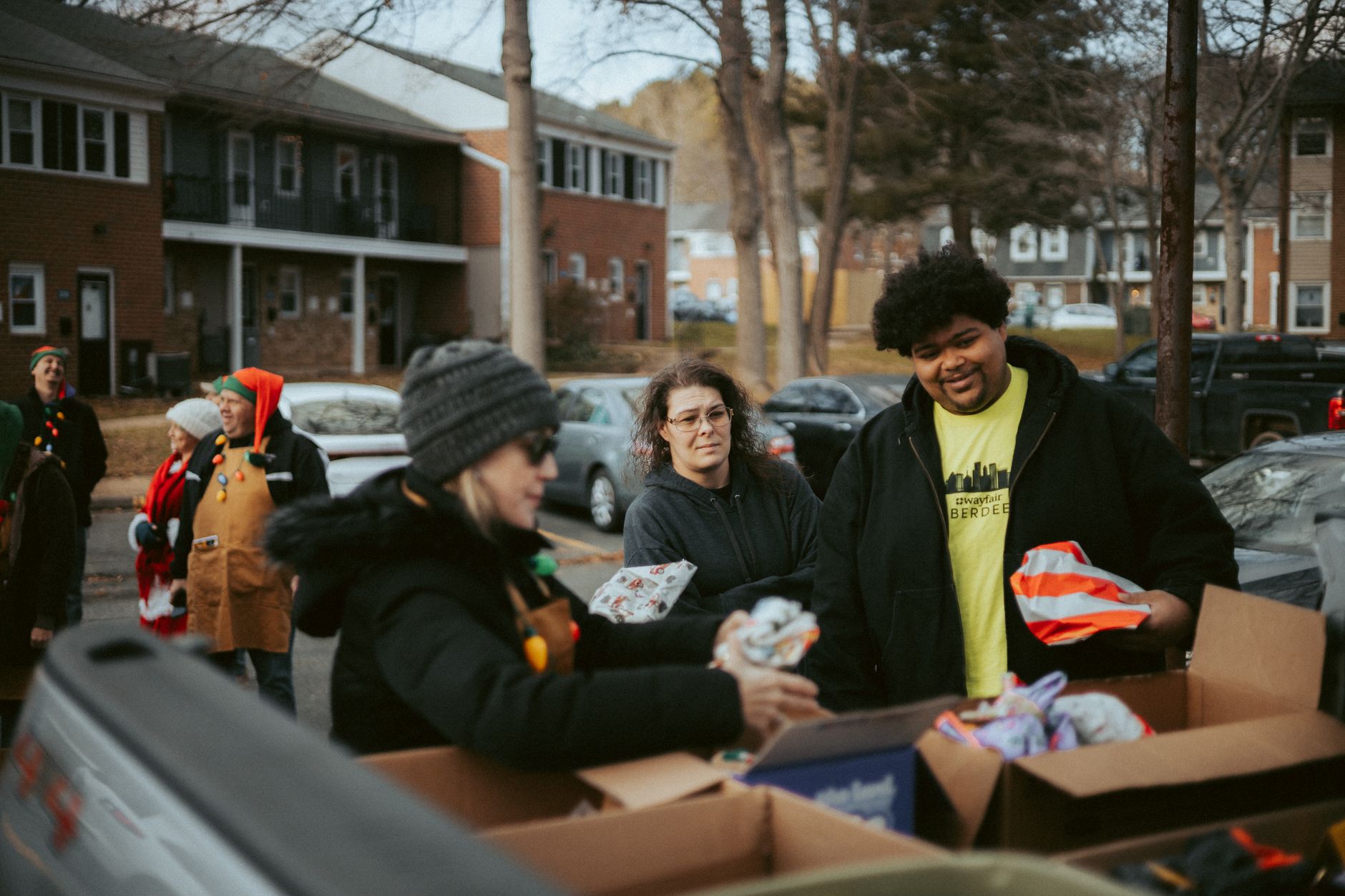
How our Saturday pantry adapts in November and December, the holiday boxes, the toy drive, and the year-round dignity of consistent service. Plus what we don't do.
-
 Programs
Lessons from a year of food pantries
Twelve months of weekly Saturday packing sessions, what worked, what failed, and what we are changing in the year ahead. With the numbers behind each lesson.
-
 Programs
Refugee resettlement, a Q&A with our social worker
A practical Q&A on refugee resettlement at mupla: the first 90 days, what helps, what does not, and how to volunteer without overwhelming. With our social worker, Nadia Saleh.