
Refugee resettlement, a Q&A with our social worker
NSBy Nadia Saleh, refugee support lead
Our refugee support lead, Nadia Saleh, has been with the foundation for two years. In that time she has walked nine families through arrival, paperwork, school enrollment, ESL classes, and the slow work of building a life in a new country. I sat down with her for a Q&A; lightly edited for length.
What does the first 90 days actually look like?
The first week is housing. The family arrives with a few suitcases and a contact list, and our job is to make sure the apartment is furnished and the kitchen has food in it. We do that with a mix of donated furniture and gift cards. The second week is appointments: the Social Security office, the health department, the school district. The third and fourth weeks are ESL placement, the first day of school, and the first grocery run.
The rest of the 90 days is the slow part. It is opening a bank account, getting a library card, learning the bus route, finding a mosque or a church or a community center that the family feels at home in. That is the work.
What help is most useful, and what is less useful?
The most useful is consistent. A person who shows up every Saturday for three months to help with English homework is worth more than twenty people who show up once with a casserole. The least useful is the help that is not coordinated. If you bring a furniture donation to a family directly, you have just added a logistics problem to someone's first week. Bring it to the foundation, and we will deliver it as part of the housing setup.
How do I volunteer without overwhelming the family?
You ask first. We have a list of families who have explicitly said yes to visitors, and a separate list of families who have said not yet. We do not share the second list with anyone. The families who say yes are usually ready for a friendship, and the families who say not yet are protecting their first months.
If you want to help, the get involved page has sign-ups for ESL tutoring, furniture donation, and the welcome-meal program. We pair every volunteer with a coordinator so that the family has one point of contact, not twelve.
Anything you wish more people understood?
That the family is the expert on their own arrival. They know what they need this week. They know which of their kids is struggling and which is thriving. They know whether the apartment is too cold. The most useful thing a volunteer can do is listen, and then do the small specific thing that was asked for.
What we ask of the wider community
A few things, in order. The first is to give the program time. A new arrival is not a project. The first six months are about stability, and stability does not photograph well. The fundraising appeal for "refugee family arrives" is real and useful, but the second appeal, six months later, for "this family needs help with rent for month seven," is the appeal that matters more. We are better at the first appeal than the second, and we are trying to do better.
The second is to give the program money in the right form. Recurring monthly gifts are more useful than one-time donations, because the recurring gift becomes the budget we plan against. The donate page has a designated refugee resettlement line, and recurring gifts at any tier are routed there.
The third is to be patient with the staff. The work is slow, the paperwork is real, and the cases keep us up at night. We are not going to perform productivity. We are going to do the work.
A note on language access
Many of the families we work with do not speak English as a first language. The volunteers who have been most useful to us are the ones who speak the family's language, in any language. We have had volunteers who speak Arabic, Pashto, Dari, Tigrinya, Swahili, French, Spanish, and Vietnamese. The work that those volunteers do, in the first weeks, is the difference between a family that feels at home in the new country and a family that feels stranded.
If you speak a language other than English and would like to volunteer, the get involved page has a language-access sign-up. We will pair you with a family that shares the language, and we will give you a short orientation on the foundation's intake process. The training is two hours. The work, if you have the language, is the most direct help we offer.
To read more about the refugee support program, see our programs page. To see who is on the refugee support team, the team page has the program lead and the rotating social workers.
Keep reading
More from the mupla blog
-
 Programs
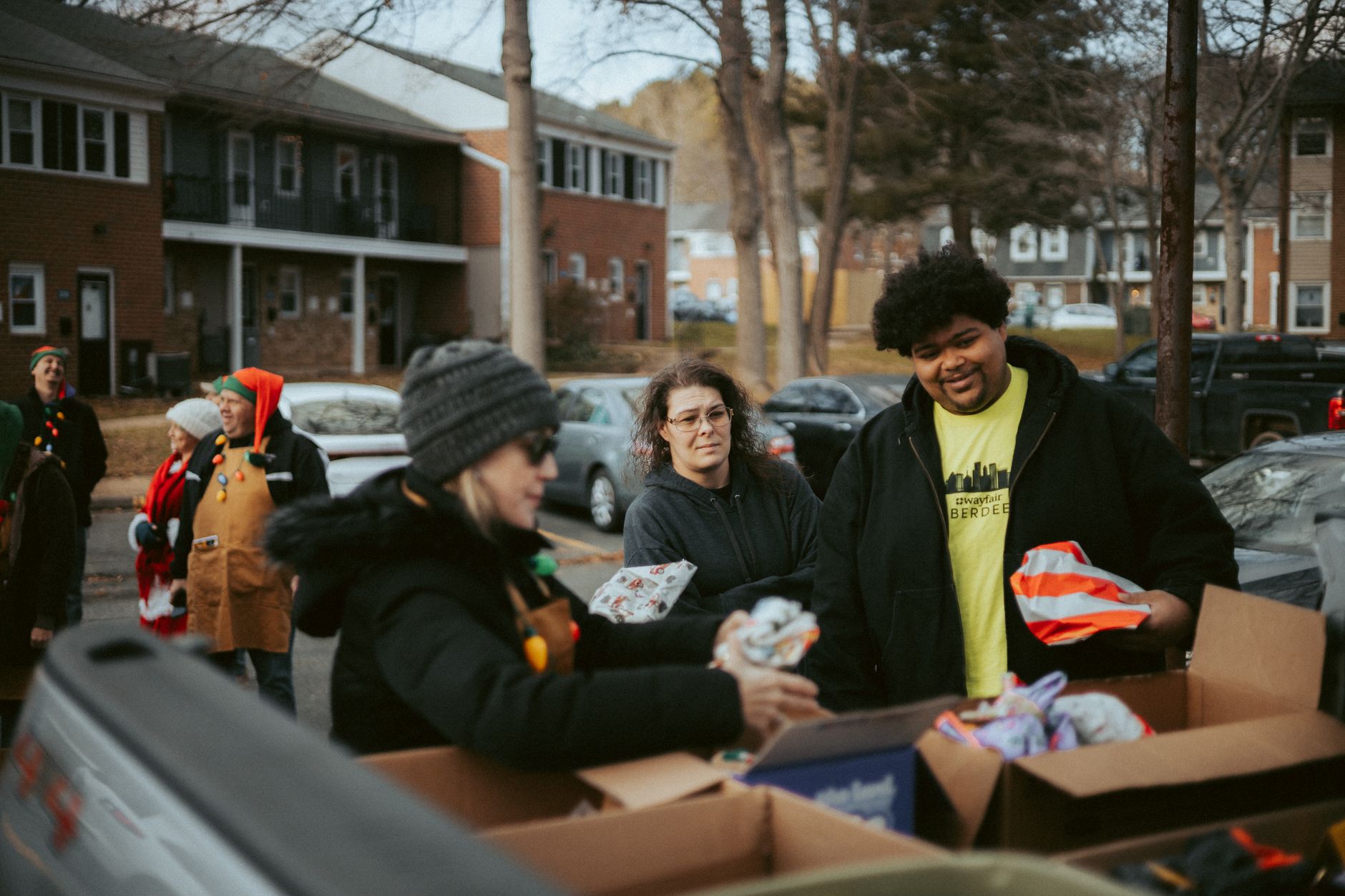
Holiday pantry, feeding families at Thanksgiving and beyond
How our Saturday pantry adapts in November and December, the holiday boxes, the toy drive, and the year-round dignity of consistent service. Plus what we don't do.
-
 Programs
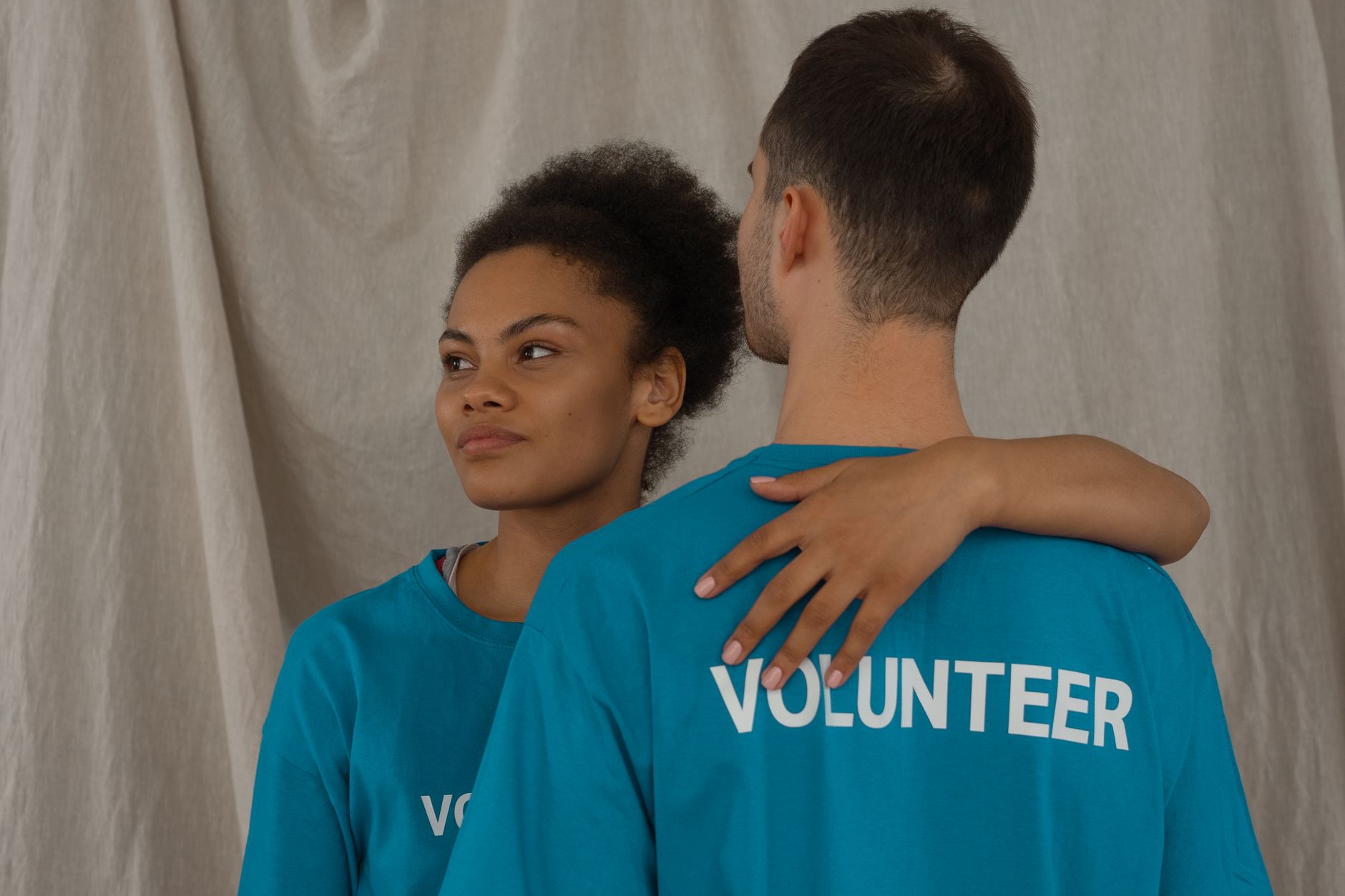
Volunteer culture, how we onboard without burning anyone out
The onboarding, training, and pacing practices that have kept our weekly volunteer bench full for two years, and the ones we have retired.
-
 Programs
Lessons from a year of food pantries
Twelve months of weekly Saturday packing sessions, what worked, what failed, and what we are changing in the year ahead. With the numbers behind each lesson.