Saturday mornings at the food pantry
MCBy mupla community
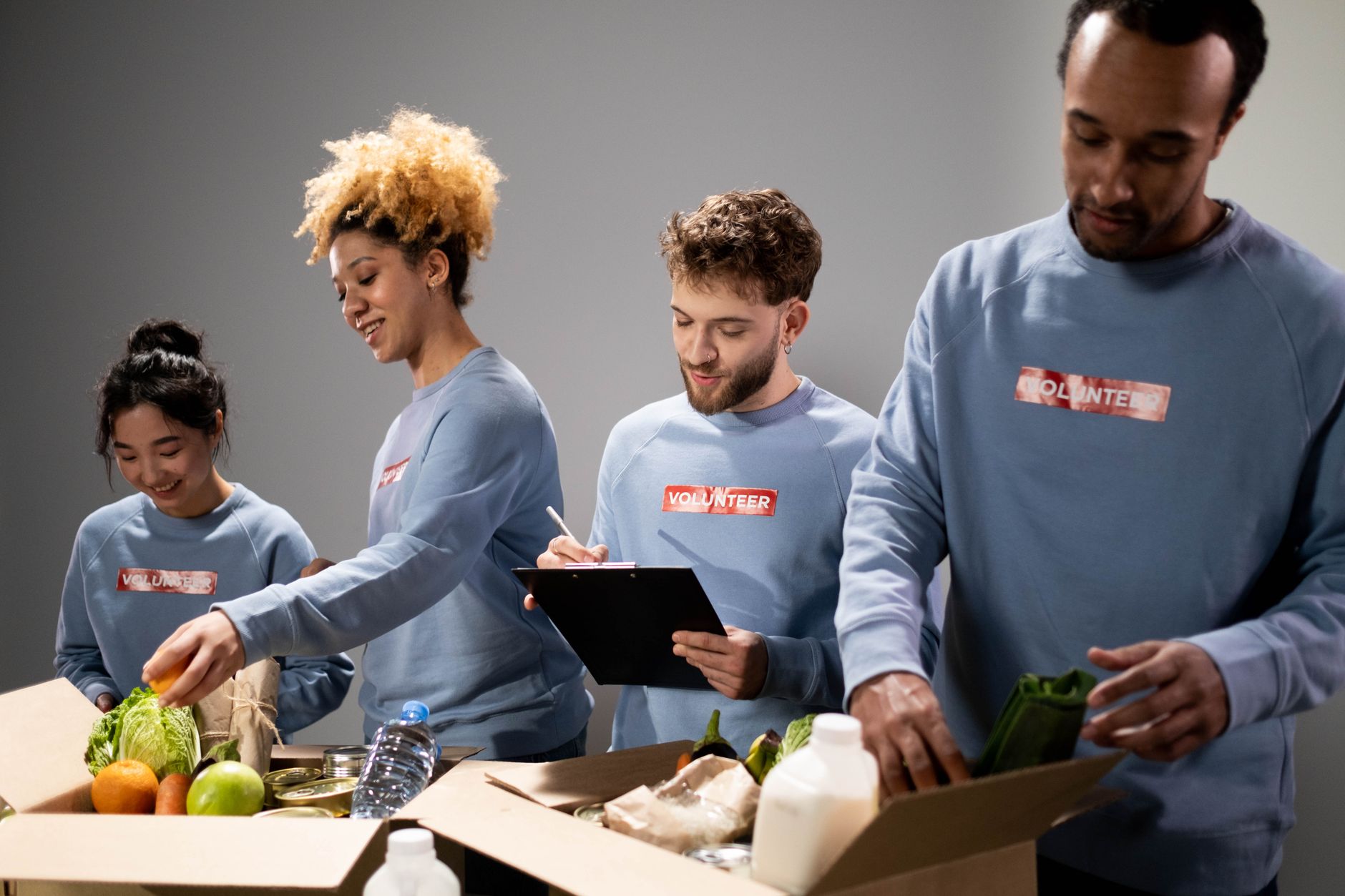
Every Saturday at 8 a.m., a small crew unlocks the mupla community center. By 8:15, the folding tables are set up. By 8:30, the first boxes of halal staples arrive from the regional food bank. By 9, the volunteers, usually eight to twelve of them, are pairing up at assembly-line stations along the back wall.
This is the food pantry in operation. It looks mundane on paper. It looks like a handful of people packing grocery boxes. In practice, it is the most consistent weekly service we run, and the most essential.
What the work actually is
Each week, our Saturday crew packs roughly 60 grocery boxes, one per family on the recipient list. A typical box holds rice, flour, oil, halal proteins, fresh produce when available, diapers if a household has young children, and shelf-stable staples to round out the week. The boxes are sorted by family size, anonymized, and either delivered by carpool or picked up between 11 and 2.
In a typical month, that means 240 boxes going out the door. Across a year, roughly 2,800. The numbers are not what makes it important; what makes it important is that everyone who walks through our doors on Saturday sees, in person, the family that is going to eat from what they packed.
Why we do it with volunteers
We could pay a part-time staff to do this work. We choose not to. A volunteer-driven pantry is slower, less efficient, and harder to scale. But it is also a way of putting the people doing the serving in direct contact with the people being served, and that is the point. Service, as our tradition teaches, is not a thing one group performs for another. It is the daily practice of recognizing that your neighbor's need is your responsibility.
How to help
We are short-handed in two specific ways: drivers who can spend two hours on Saturday morning delivering boxes along established routes, and people willing to commit to a recurring pantry shift. If either applies, our get involved page has sign-ups, or you can email volunteer@mupla.org directly.
Keep reading
More from the mupla blog
-
 Reflection
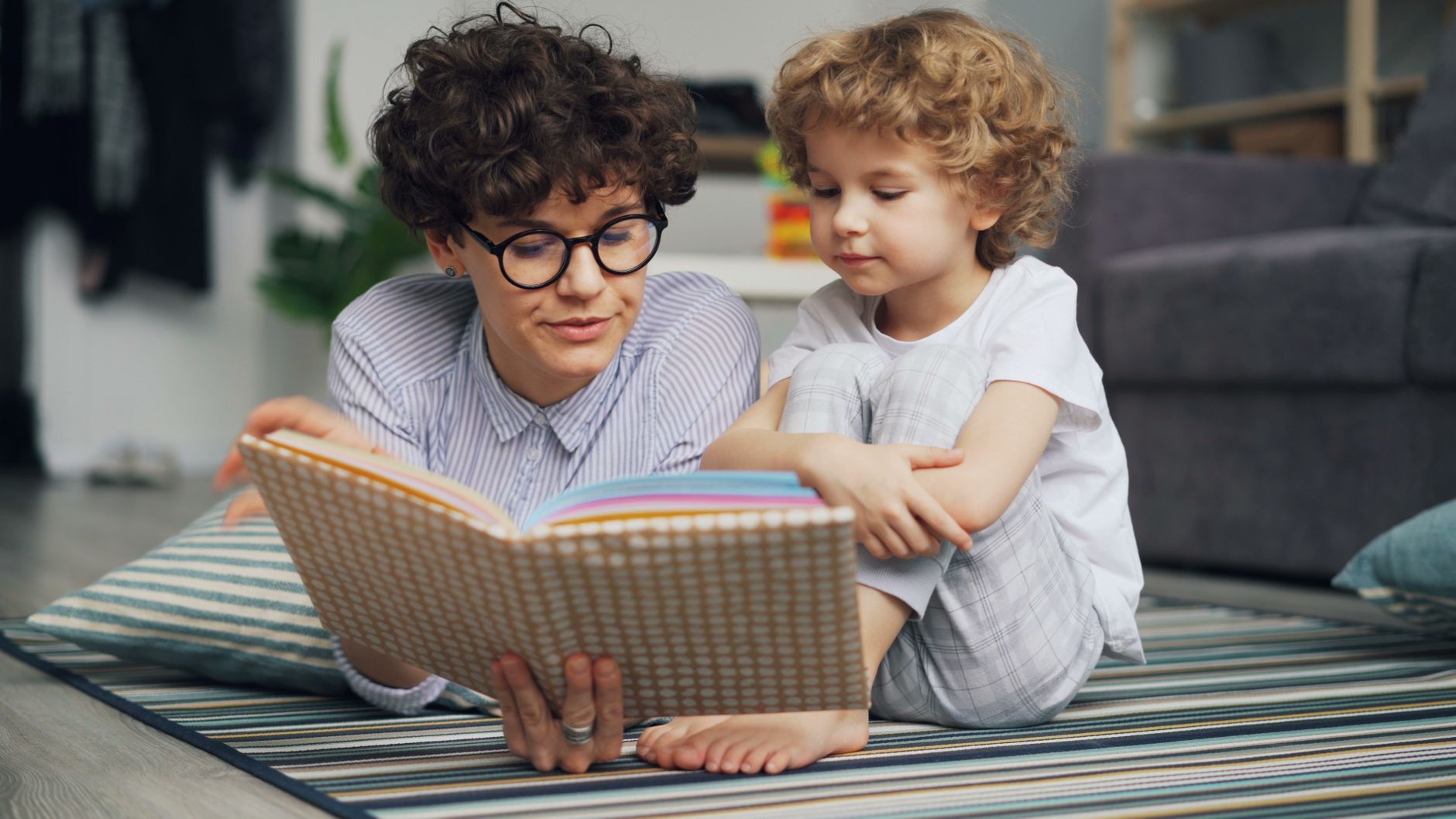
Family ties, keeping grandparents in the loop
A reflection on the role of grandparents in passing the deen down, and the small habits that keep three generations connected at the dinner table.
-
 Community
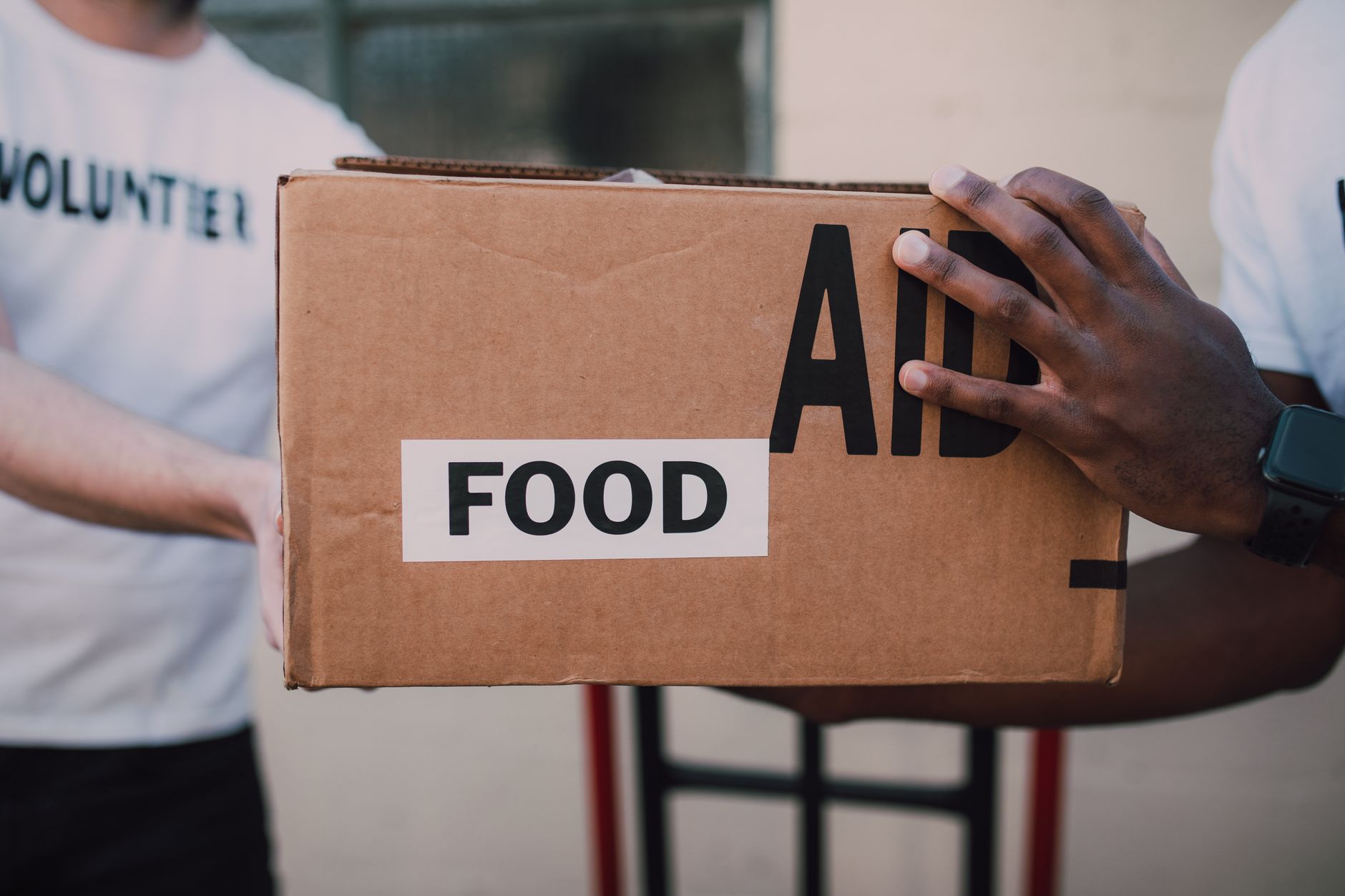
From the recipient side, a pantry neighbor's story
A first-person reflection from a mother of three on what the Saturday pantry has meant to her family for eighteen months, and a reminder of why we keep showing up.
-
 Programs
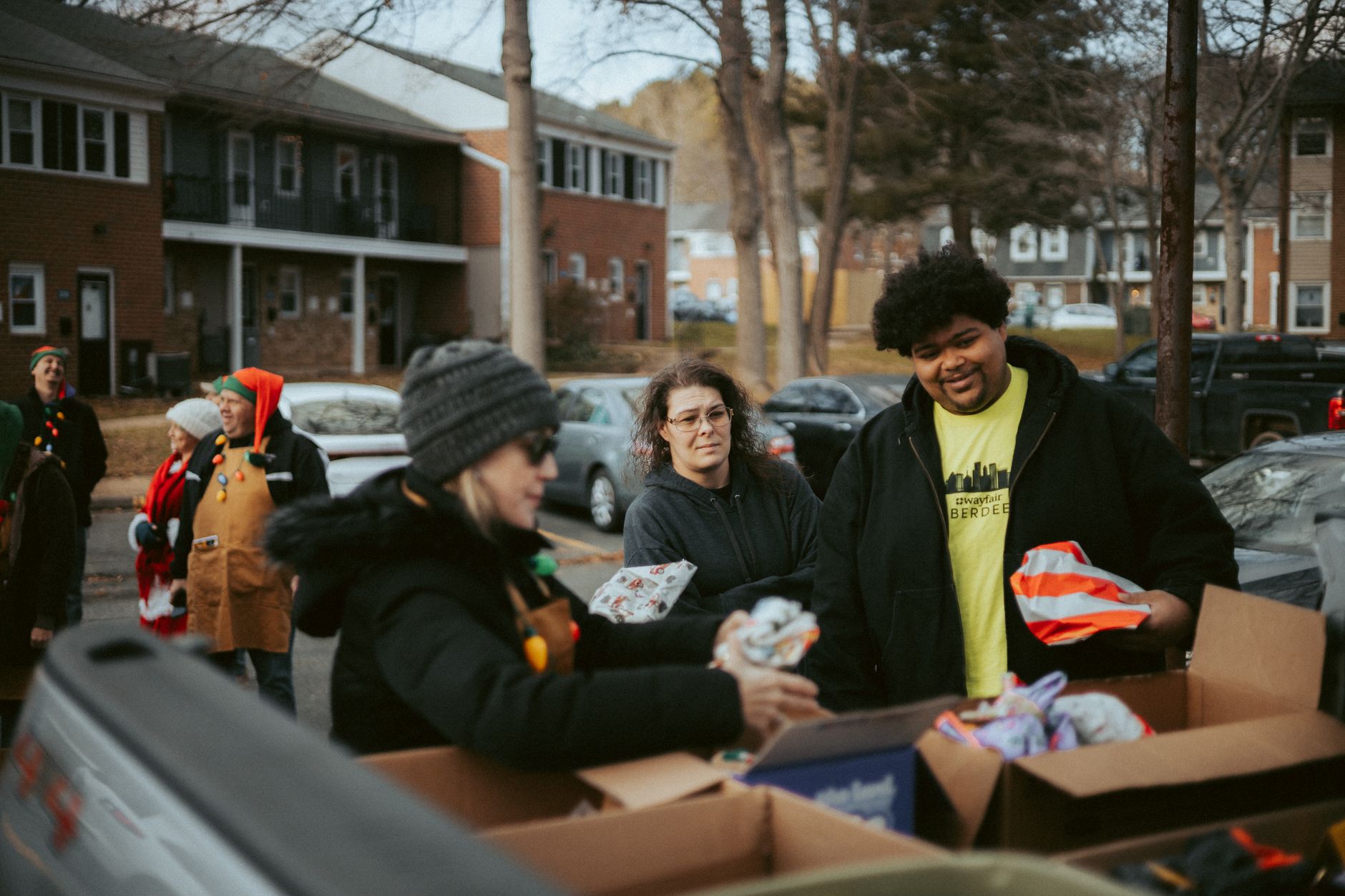
Holiday pantry, feeding families at Thanksgiving and beyond
How our Saturday pantry adapts in November and December, the holiday boxes, the toy drive, and the year-round dignity of consistent service. Plus what we don't do.