What we measure (and what we don't)
TMBy Tariq M.
Every nonprofit publishes an annual report, and most of those reports are dominated by numbers: dollars raised, meals served, families housed, hours volunteered. The numbers are useful. They are also a kind of argument, a claim that these are the things worth measuring, and that if the numbers are going up, the work is going well.
We do not think the second claim is true, and we want to be honest about it.
What we count
We do count the basics. Pounds of groceries distributed. Number of pantry visits. Zakat dollars in, Zakat dollars out, and how long each application took to process. Scholarship recipients and the schools they ended up at. Workshop attendance, by series, with a one-line read on what we heard back.
You can see all of these in the annual report and in the per-program pages linked from there. The numbers are clean, they reconcile, and we stand behind them.
What we deliberately don't
We do not count the harder things, and we want to name them so you know what is missing.
- Whether a family felt welcomed. We know that the warm greeting at the door is part of the work. We also know that no survey will tell us, honestly, whether it happened. We train volunteers. We notice when it is not happening. We do not pretend to measure it.
- Whether a child felt seen. Our youth programs track attendance and grades, but neither number tells us whether a kid felt that a particular adult cared about them. We listen, and we ask, and we act on what we hear. The metric is not the point.
- Whether a difficult conversation was useful. Our parenting workshops produce reflections, not data. We read them, and we adapt the next session. We do not score the conversation.
The case for partial measurement
There is a version of foundation work that pretends to measure everything. It produces dashboards, charts, and quarterly impact reports, and it almost always ends up measuring the easy things and ignoring the hard ones. The dashboards look impressive. The hard things remain unmeasured.
We chose the other version. We measure what we can verify, and we are honest about what we cannot. The annual report says so. The board meetings say so. The volunteer orientation says so. We do not apologize for the parts that are not in the spreadsheet. The parts that are not in the spreadsheet are the parts that require trust, and trust is the work, and the work is the point.
This is not a new idea. The writer and farmer Wendell Berry has a line about how the measure of a community is not the things it can count but the things it cannot. We do not have a citation for him. The line is the spirit of how we try to operate.
What we would like to measure someday
We are not opposed to measurement. We would love to have a reliable, low-friction way to know whether a family felt welcomed at the door, whether a child felt seen by their mentor, whether a workshop moved the needle on a parent's sense of competence. We are open to good tools. We have not found them. Until we do, we will keep the spreadsheets tight and the listening closer.
There is one thing we are piloting this year. It is a single-question text-message poll, sent to a random subset of pantry visitors the day after their visit, asking one question: was today a good experience? The poll has a 60 percent response rate, the answers are mostly yes, and the no's are specific. The poll is not a metric, in the spreadsheet sense. It is a check, the way a smoke detector is a check. We will publish the year-end read in the next annual report.
Why this matters
A metric that is easy to count is not always the one that matters. The number of grocery boxes is easy. The number of families who trust us to keep showing up is harder, and more important. We have chosen to publish what we can verify, and to be quiet about the rest, rather than over-claim.
If you want to dig into the numbers we do publish, the programs page has the full breakdown. If you want to push back on what we have left out, we want to hear that too. Write to hello@mupla.org and we will read every word. The board, the team, and the program leads review every substantive piece of feedback at the next monthly meeting, and the meeting minutes are posted publicly.
Keep reading
More from the mupla blog
-
 Programs
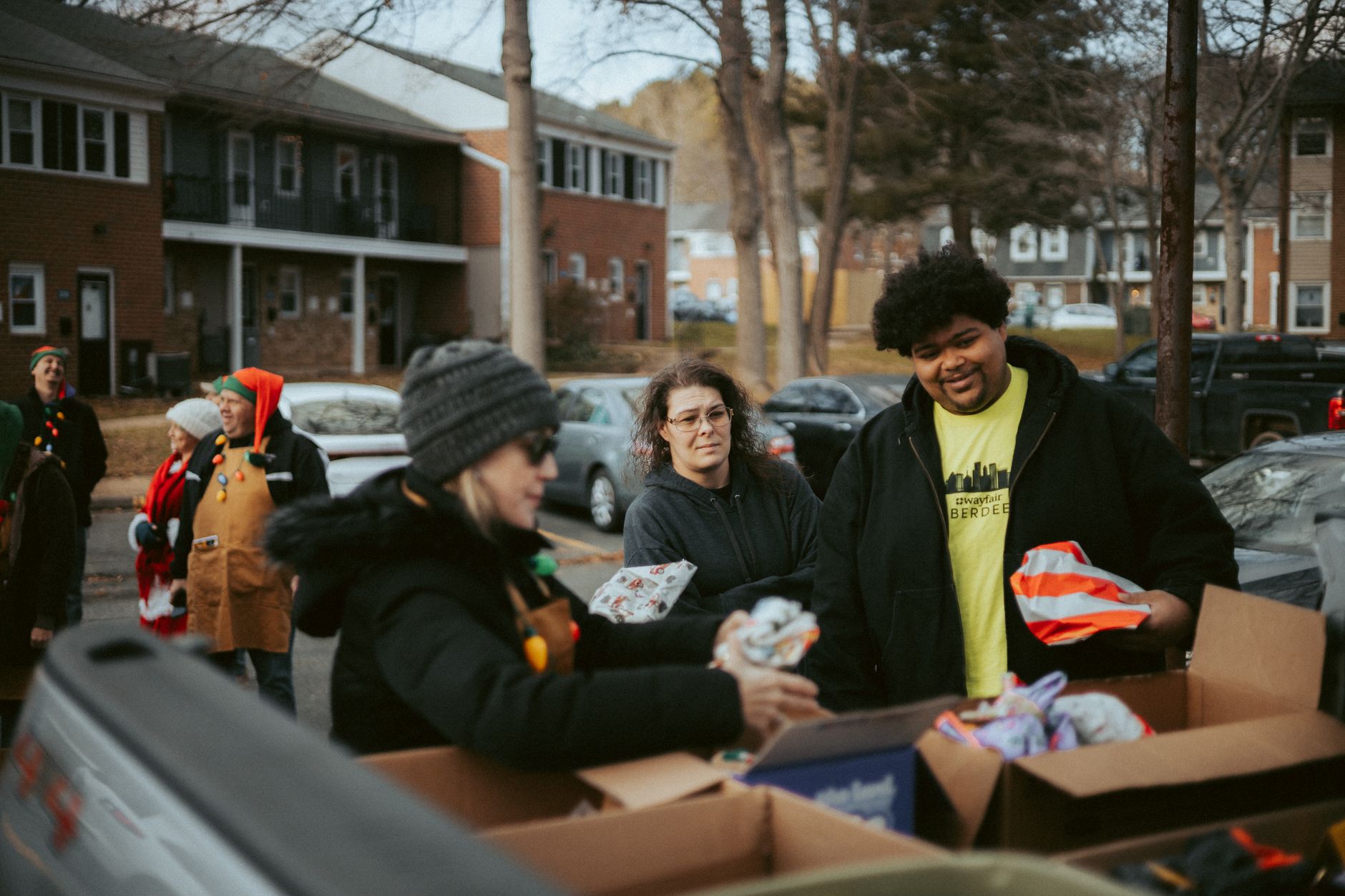
Holiday pantry, feeding families at Thanksgiving and beyond
How our Saturday pantry adapts in November and December, the holiday boxes, the toy drive, and the year-round dignity of consistent service. Plus what we don't do.
-
 Programs
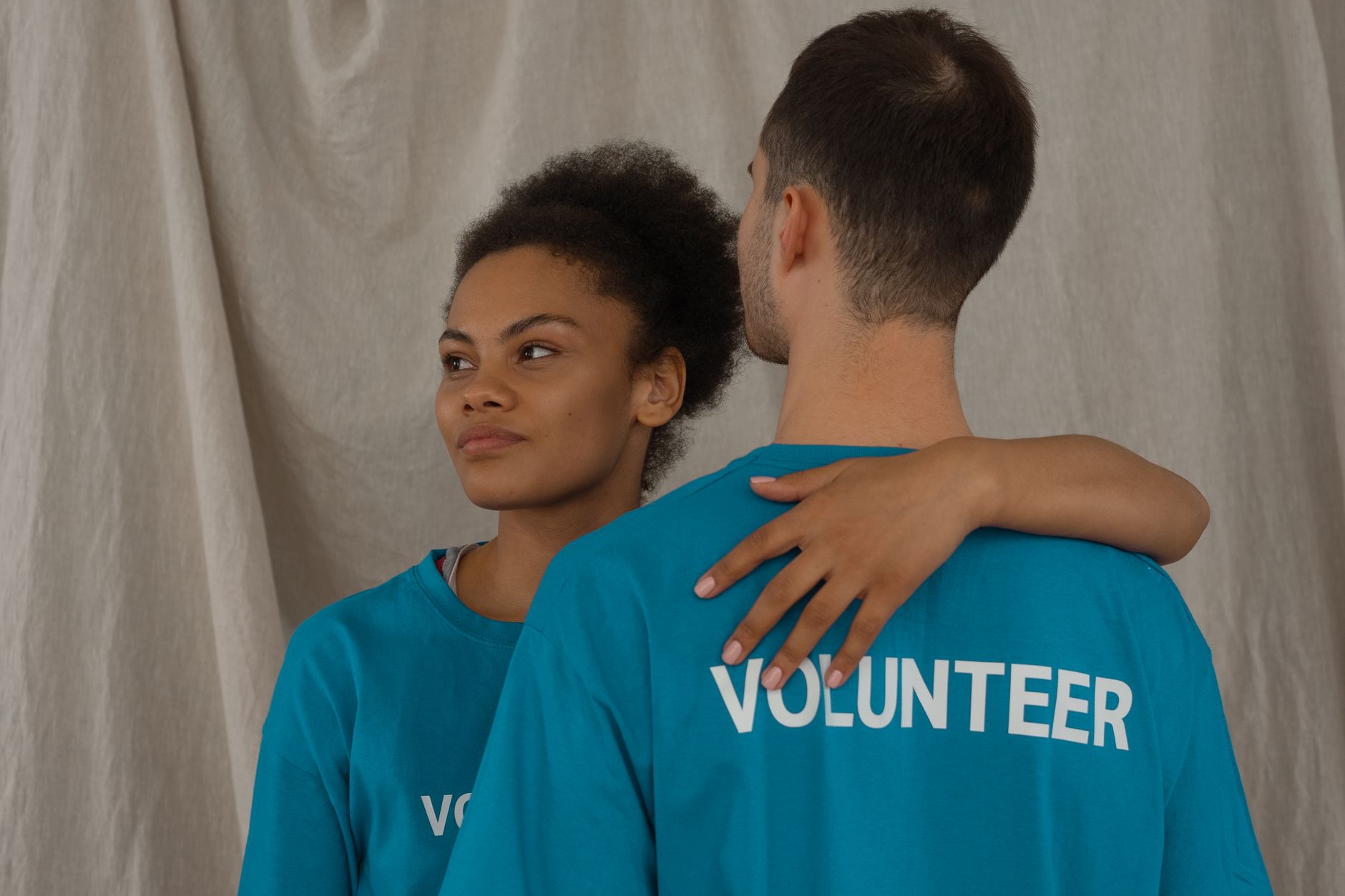
Volunteer culture, how we onboard without burning anyone out
The onboarding, training, and pacing practices that have kept our weekly volunteer bench full for two years, and the ones we have retired.
-
 Programs
Lessons from a year of food pantries
Twelve months of weekly Saturday packing sessions, what worked, what failed, and what we are changing in the year ahead. With the numbers behind each lesson.